

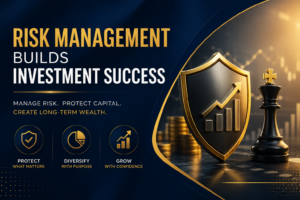
How Risk Management Improves Investment Success
Successful investing is not just about earning higher returns it is also about protecting your capital. This is where risk management in investing becomes essential. Every investment carries some level of risk, but investors who manage risk effectively are better positioned to achieve their financial goals and build long-term wealth.
At ACME Group, we believe that smart investing starts with understanding and managing risk, not avoiding it.
What Is Risk Management in Investing?
Risk management is the process of identifying, assessing, and controlling potential investment losses. It helps investors prepare for market fluctuations and unexpected economic events while keeping their long-term financial objectives on track.
Effective risk management focuses on balancing risk and reward rather than taking unnecessary chances.
Why Risk Management Is Important
Financial markets are influenced by economic changes, interest rates, inflation, and global events. These factors can create volatility and impact investment performance.
Proper risk management helps investors:
- Protect their investment capital
- Reduce the impact of market downturns
- Improve long-term portfolio stability
- Make informed investment decisions
- Stay focused on financial goals
Investors who ignore risk often make emotional decisions that can harm long-term returns.
Diversification Reduces Investment Risk
One of the most effective risk management strategies is diversification. Instead of investing all your money in a single asset, diversification spreads investments across different asset classes.
A diversified portfolio may include:
- Equity investments for growth
- Debt investments for stability
- Gold and alternative assets for protection
- Mutual funds for balanced exposure
Diversification helps reduce the impact of poor performance in any one investment.
Understanding Your Risk Tolerance
Every investor has a different ability to handle market fluctuations. Understanding your risk tolerance is a crucial part of investment planning.
Factors that influence risk tolerance include:
- Age
- Income
- Financial goals
- Investment horizon
- Personal comfort with market volatility
At ACME Group, investment strategies are tailored to each client's risk profile, ensuring portfolios align with their long-term objectives.
Long-Term Investing Helps Manage Risk
Market volatility is normal. Investors who focus on short-term market movements often make impulsive decisions.
Long-term investing helps manage risk by:
- Allowing investments time to recover from downturns
- Benefiting from compounding growth
- Reducing the impact of short-term market fluctuations
Consistent investing through SIPs and disciplined portfolio management can improve long-term outcomes.
Regular Portfolio Reviews Matter
Risk management is not a one-time activity. Market conditions and personal financial goals change over time.
Regular portfolio reviews help:
- Maintain proper asset allocation
- Identify emerging risks
- Rebalance investments when necessary
- Keep financial goals on track
Professional guidance can help investors make adjustments without reacting emotionally to market movements.
Final Thoughts
Risk management is one of the most important factors behind successful investing. While risk cannot be eliminated, it can be managed through diversification, disciplined investing, and strategic planning.
At ACME Group, we help investors build resilient portfolios through research-driven insights, personalised financial planning, and effective risk management strategies. By managing risk wisely, investors can protect their wealth, stay confident during market volatility, and achieve long-term financial success.
